Vibrometria 3D Simplificada
O Ommatidia Q2 reconstrói vetores de velocidade 3D de campo total a partir de múltiplas visualizações usando um único Laser RADAR de varredura paralela. Obtenha análise modal, ODS e saídas prontas para deformação com uma configuração compacta e implementável que preserva uma cadeia de evidências clara, desde os dados brutos até os resultados de engenharia
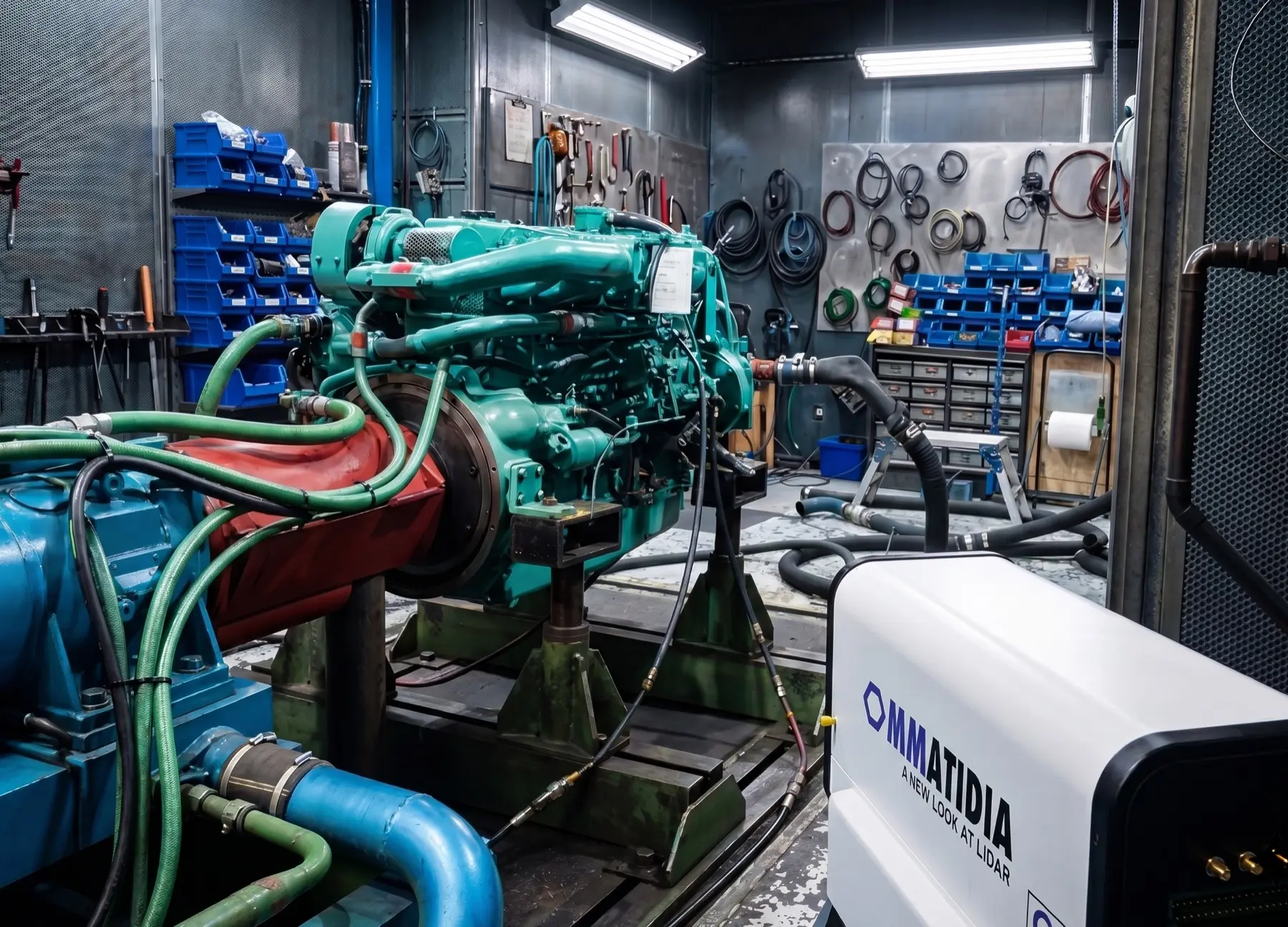
O LDV mede a velocidade ao longo do feixe; uma única visualização é uma projeção e pode representar incorretamente o movimento real em estruturas curvas ou complexas. - Observações de múltiplas visualizações tornam os componentes vetoriais observáveis em carcaças, painéis leves, pás, peças de veículos, elementos civis e artigos de teste de laboratório onde o movimento inclui rotações fora do plano, no plano e locais.
https://ommatidia.tech/wp-content/uploads/2026/06/mkt-1312-06.webp 18575 docx-08-image2 https://ommatidia.tech/wp-content/uploads/2026/06/mkt-1312-09.webp 18602 docx-02-image10 Principais vantagensSimples: um único Q2 recupera um campo de velocidade 3D completo.
- Compacto e acessível: evite montagens de múltiplos LDVs, braços robóticos e integração laboratorial pesada.
- Rápido: sem campanhas de calibração por ponto; o mesmo instrumento fornece metrologia e vibrometria.
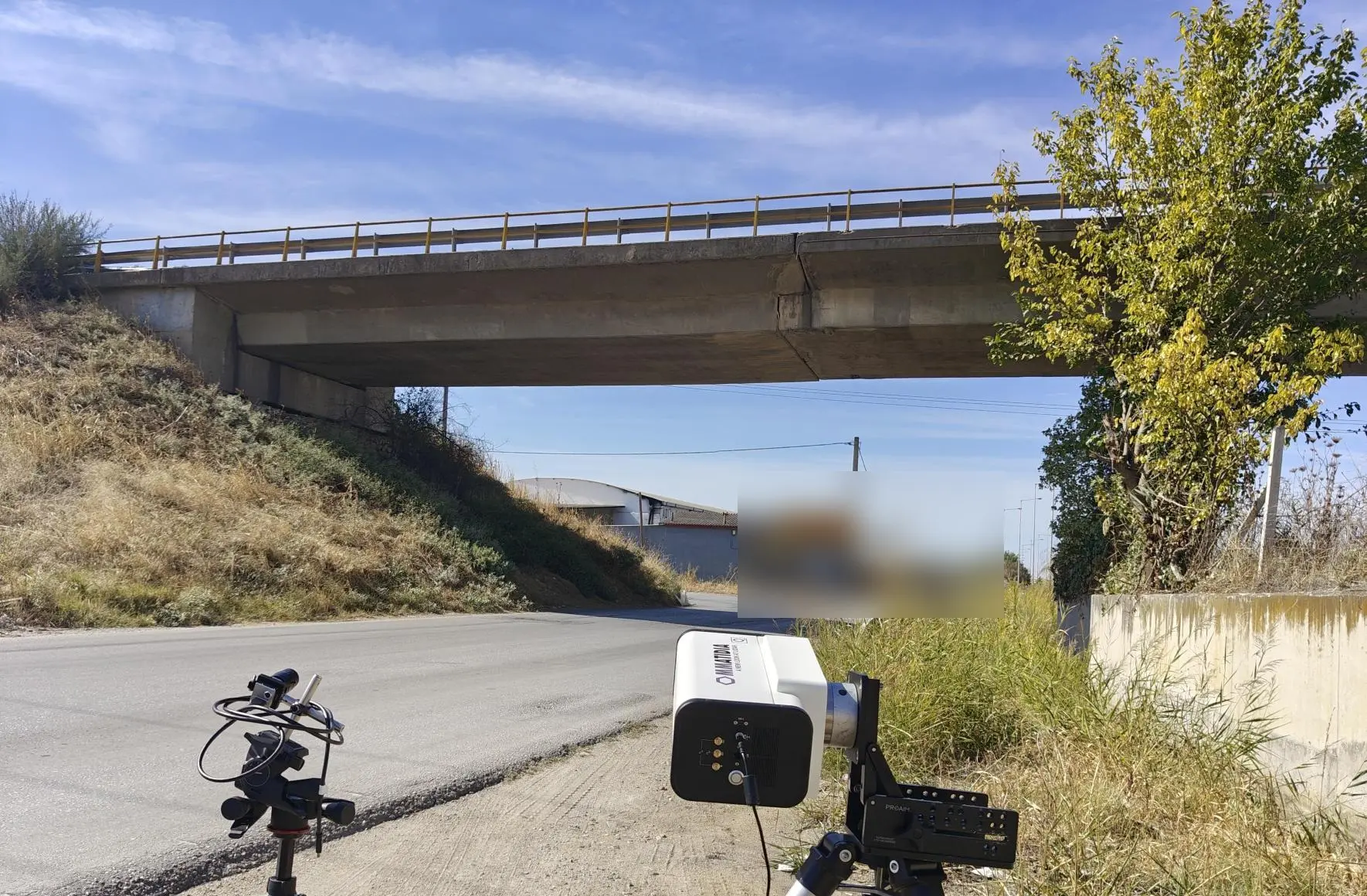
- Versátil: implementável em laboratórios, fábricas e locais de campo sem instalações dedicadas.
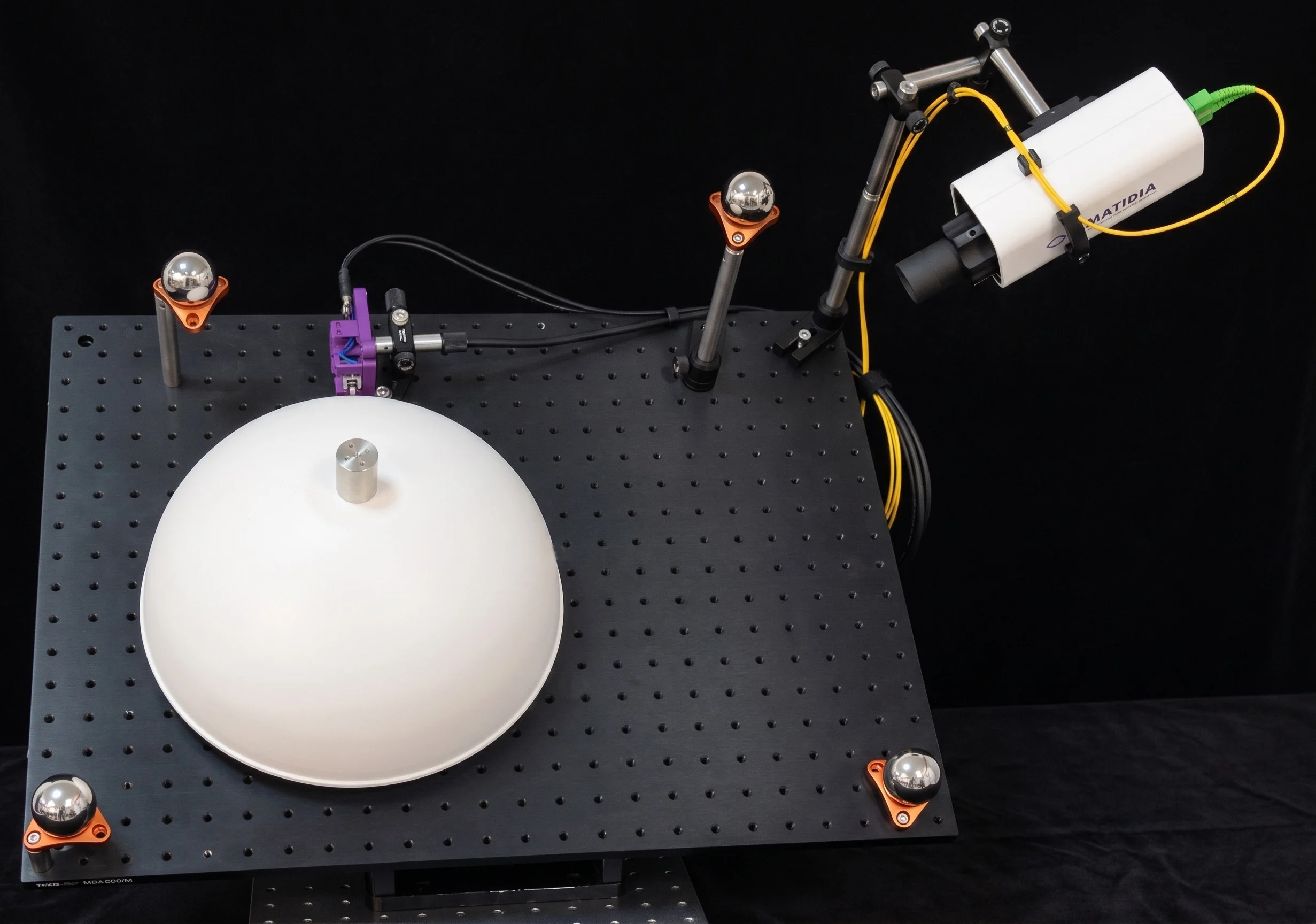
O Ommatidia Q2 expande a Vibrometria Laser Doppler de medições direcionais de linha de visada para vetores de velocidade 3D de campo total — usando um único Laser RADAR de varredura paralela. Ao adquirir múltiplas visualizações do Q2, registrando-as por meio de marcadores fiduciários esféricos e alinhando a fase dos dados, o software de recuperação estima os três componentes de velocidade em cada ponto da superfície. O resultado é um campo de movimento 3D coerente, adequado para correlação de FEM, análise modal, ODS e saídas prontas para deformação.
https://ommatidia.tech/wp-content/uploads/2026/06/mkt-1312-12.webp 18629 docx-03-image11- 1) Por visualização, o Q2 adquire uma nuvem de pontos, direções de feixe e velocidade de linha de visada (LoS) nos pontos iluminados. 2) Para cada ponto da superfície visto de três ou mais direções independentes, o vetor de velocidade 3D é resolvido a partir das projeções de LoS; visualizações extras melhoram a robustez via mínimos quadrados ponderados. 3) Indicadores de qualidade local avaliam a contagem de observações, resíduos e condicionamento geométrico. 4) A exportação permite visualização avançada e processamento posterior em pacotes de software comercial de FEA/engenharia.
Planeje como uma única campanha coordenada, não como varreduras isoladas.
- Use as ferramentas de planejamento da Ommatidia para avaliar a cobertura espacial, densidade de amostragem, consistência geométrica, consistência de fase e qualidade de sinal repetível entre as visualizações.
- Gere conjuntos de dados sintéticos para carregar na ferramenta de reconstrução.
- Compare com a verdade terrestre (ground truth) para avaliar o efeito de diferentes protocolos experimentais, algoritmos de reconstrução e condições (amostragem, ruído, esquema de interpolação, etc.).


Discuta como esta abordagem de medição pode apoiar fluxos de trabalho de aplicações com a equipe da Ommatidia.

Visão geral da aplicação
O LDV mede a velocidade ao longo do feixe; uma única visualização é uma projeção e pode representar incorretamente o movimento real em estruturas curvas ou complexas.
Observações de múltiplas visualizações tornam os componentes vetoriais observáveis em carcaças, painéis leves, pás, peças de veículos, elementos civis e artigos de teste de laboratório onde o movimento inclui rotações fora do plano, no plano e locais.
Até agora, a única maneira de conseguir isso era utilizando configurações de múltiplas cabeças com suportes robóticos. Isso era caro, demorado, rígido e limitante para muitas aplicações.

Principais vantagens
Simples: um único Q2 recupera um campo de velocidade 3D completo.
- Compacto e acessível: evite montagens de múltiplos LDVs, braços robóticos e integração laboratorial pesada.
- Rápido: sem campanhas de calibração por ponto; o mesmo instrumento fornece metrologia e vibrometria.
- Versátil: implementável em laboratórios, fábricas e locais de campo sem instalações dedicadas.

Como funciona
O Ommatidia Q2 expande a Vibrometria Laser Doppler de medições direcionais de linha de visada para vetores de velocidade 3D de campo total — usando um único Laser RADAR de varredura paralela. Ao adquirir múltiplas visualizações do Q2, registrando-as por meio de marcadores fiduciários esféricos e alinhando a fase dos dados, o software de recuperação estima os três componentes de velocidade em cada ponto da superfície.
O resultado é um campo de movimento 3D coerente, adequado para correlação de FEM, análise modal, ODS e saídas prontas para deformação.

Benefícios operacionais
- Por visualização, o Q2 adquire uma nuvem de pontos, direções de feixe e velocidade de linha de visada (LoS) nos pontos iluminados.
- Para cada ponto da superfície visto de três ou mais direções independentes, o vetor de velocidade 3D é resolvido a partir das projeções de LoS; visualizações extras melhoram a robustez por meio de mínimos quadrados ponderados.
- Indicadores de qualidade locais avaliam a contagem de observações, resíduos e condicionamento geométrico.
- A exportação permite visualização avançada e processamento posterior em pacotes de software comercial de FEA/engenharia.
Pontos de comprovação
Planeje como uma única campanha coordenada, não como varreduras isoladas.
- Use as ferramentas de planejamento da Ommatidia para avaliar a cobertura espacial, densidade de amostragem, consistência geométrica, consistência de fase e qualidade de sinal repetível entre as visualizações.
- Gere conjuntos de dados sintéticos para carregar na ferramenta de reconstrução.
- Compare com a verdade terrestre (ground truth) para avaliar o efeito de diferentes protocolos experimentais, algoritmos de reconstrução e condições (amostragem, ruído, esquema de interpolação, etc.).

Pontos de comprovação
Webinar sobre o fluxo de trabalho de velocidade 3D e deformação
Fale com a Ommatidia
Discuta como esta abordagem de medição pode apoiar fluxos de trabalho de aplicações com a equipe da Ommatidia.
Compare plataformas para fluxos de trabalho de velocidade 3D e deformação
O Q2 é a plataforma mais robusta para reconstrução de velocidade 3D multivisualização e saídas prontas para análise de deformação, enquanto o QMini, o Q1S e o Q1 suportam as etapas relacionadas de validação, monitoramento e medição em campo.
Abra o guia de comparação da série Q