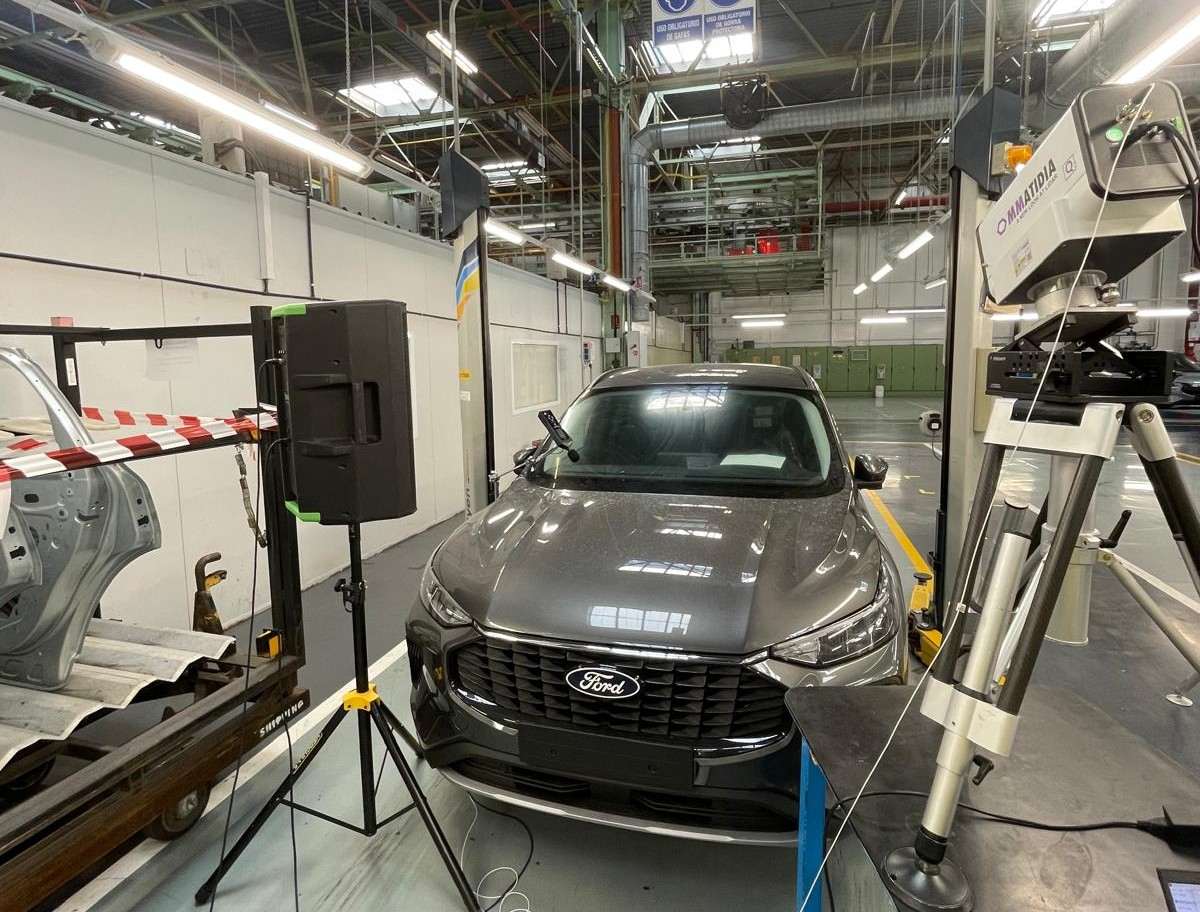
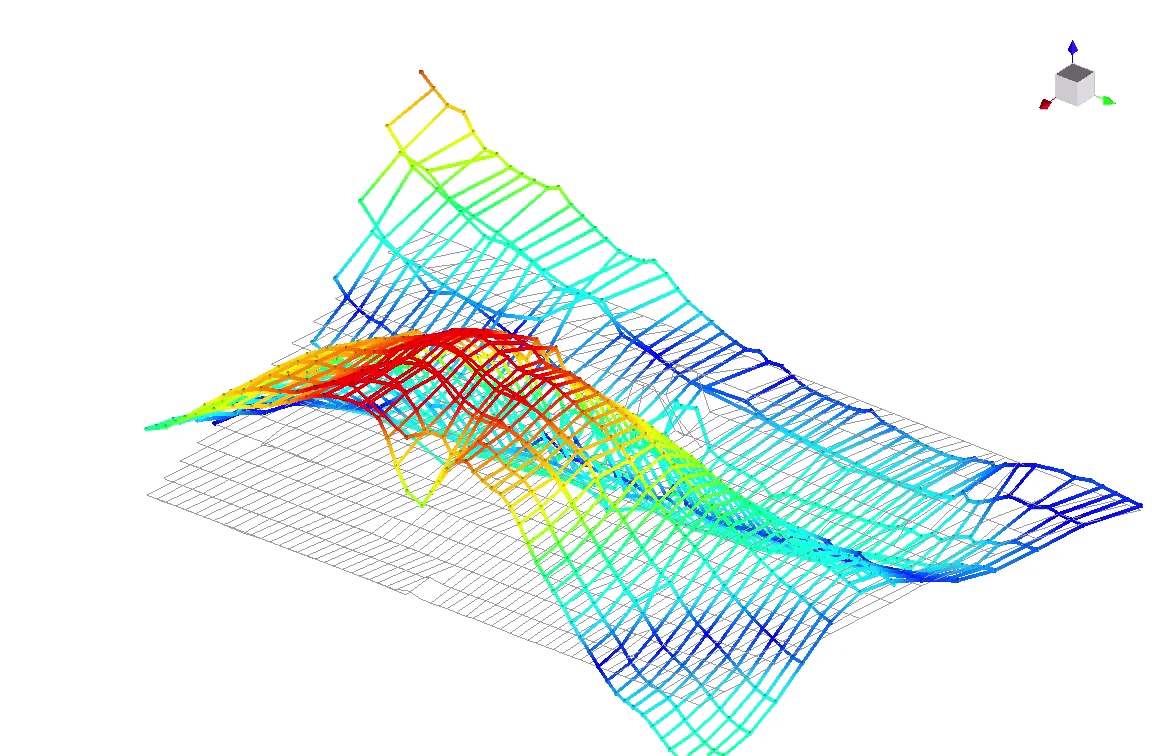
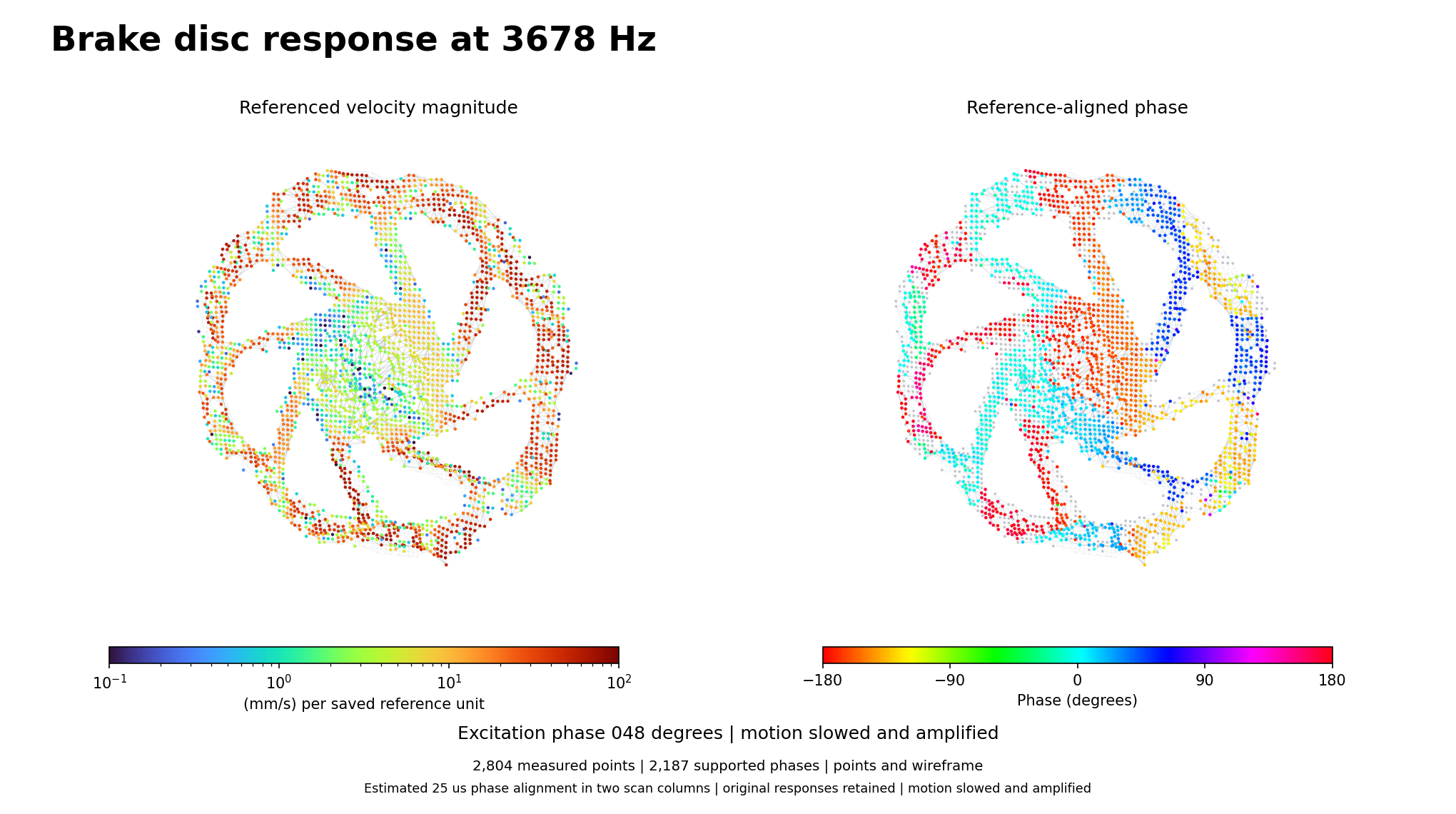
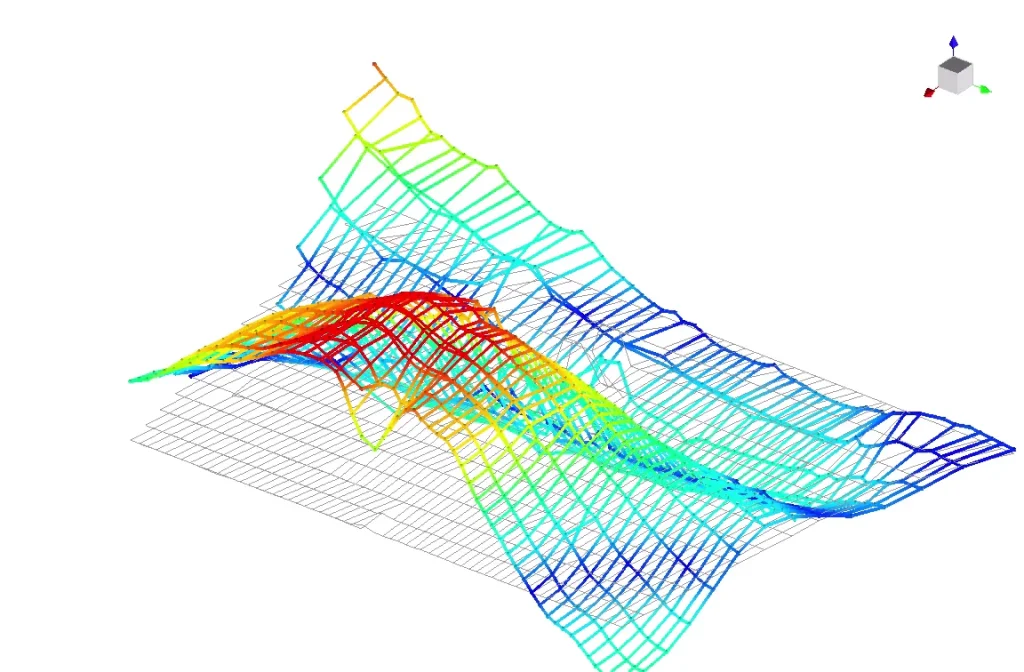
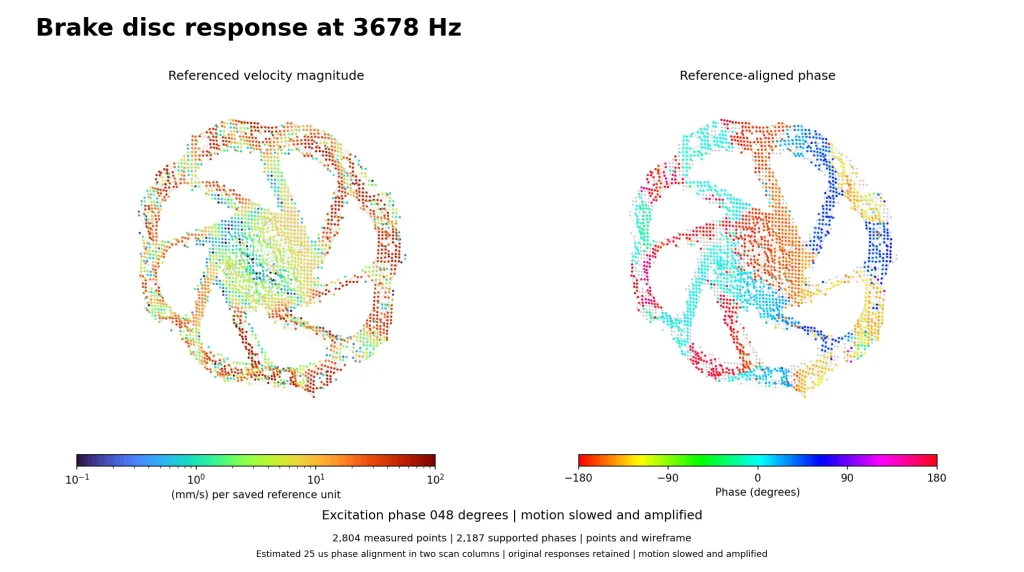
Q1 acquired 128 velocity channels at the same time and assembled their responses into two-dimensional maps. The images show nodal regions and areas of larger motion for the selected plate excitation.

The spatial maps connect modal-test measurements with engineering decisions:
- Compare vibration response: locate nodal regions and compare amplitudes across the plate.
- Study test conditions: review how the response changes with excitation, supports and material properties.
- Support structural assessment: combine synchronized data with repeatable baselines, reference measurements and structural models.
From aerospace components to civil structures, parallel optical capture provides spatial data for modal analysis and test-to-model correlation.
Discuss your vibration measurement
Watch the 128-channel demonstration. Tell Ommatidia about the vibration, modal-testing or structural-assessment measurement you need.
Chladni plate measurement questions
Connect synchronized full-field vibration data with repeatable structural-assessment workflows.
What does a Chladni pattern show?
A Chladni pattern visualizes the spatial response of a plate at a selected excitation condition. Regions with very low motion correspond to nodal areas, while higher-response regions lie between them. The geometry changes with frequency, boundary conditions, excitation position and plate properties.
How did Q1 measure the plate?
In the published demonstration, Q1 used Laser Doppler vibrometry to acquire 128 surface-velocity channels simultaneously. The synchronized measurements were assembled into a two-dimensional vibration-response map of the driven plate.
How does the Chladni map support structural assessment?
The response map provides spatial modal evidence across the plate. Controlled excitation, known boundary conditions, repeatable baselines, reference measurements and a validated model or acceptance criterion turn the synchronized data into a structured assessment workflow.
When is simultaneous optical capture useful?
Simultaneous capture preserves phase and timing across many points and records transient excitation consistently. Configure optical access, returned signal, range, motion bandwidth, sampling settings and reference channels for the required test outcome.
Ommatidia Upgrade & Trade-In Program
Upgrade to Ommatidia’s latest Laser RADAR technology and unlock more capability for your next measurement challenge. Whether you are expanding an existing setup or replacing an older system, we offer tailored upgrade options with discounts of up to 40%.
If you are currently using another manufacturer’s system, send us your model and measurement requirements. We will review your trade-in possibilities, identify the best Ommatidia configuration, and outline a practical upgrade path for your team.