Laser Doppler Vibrometer Systems for Remote NVH and Modal Testing

Capture NVH, modal and structural-dynamics data remotely with laser Doppler vibrometry—using 65 or 128 simultaneous measurement points—without placing contact sensors, routing dense wiring or adding mass to lightweight targets. Ommatidia combines Q-Series Laser RADAR systems with practical test workflows for difficult and access-constrained targets.

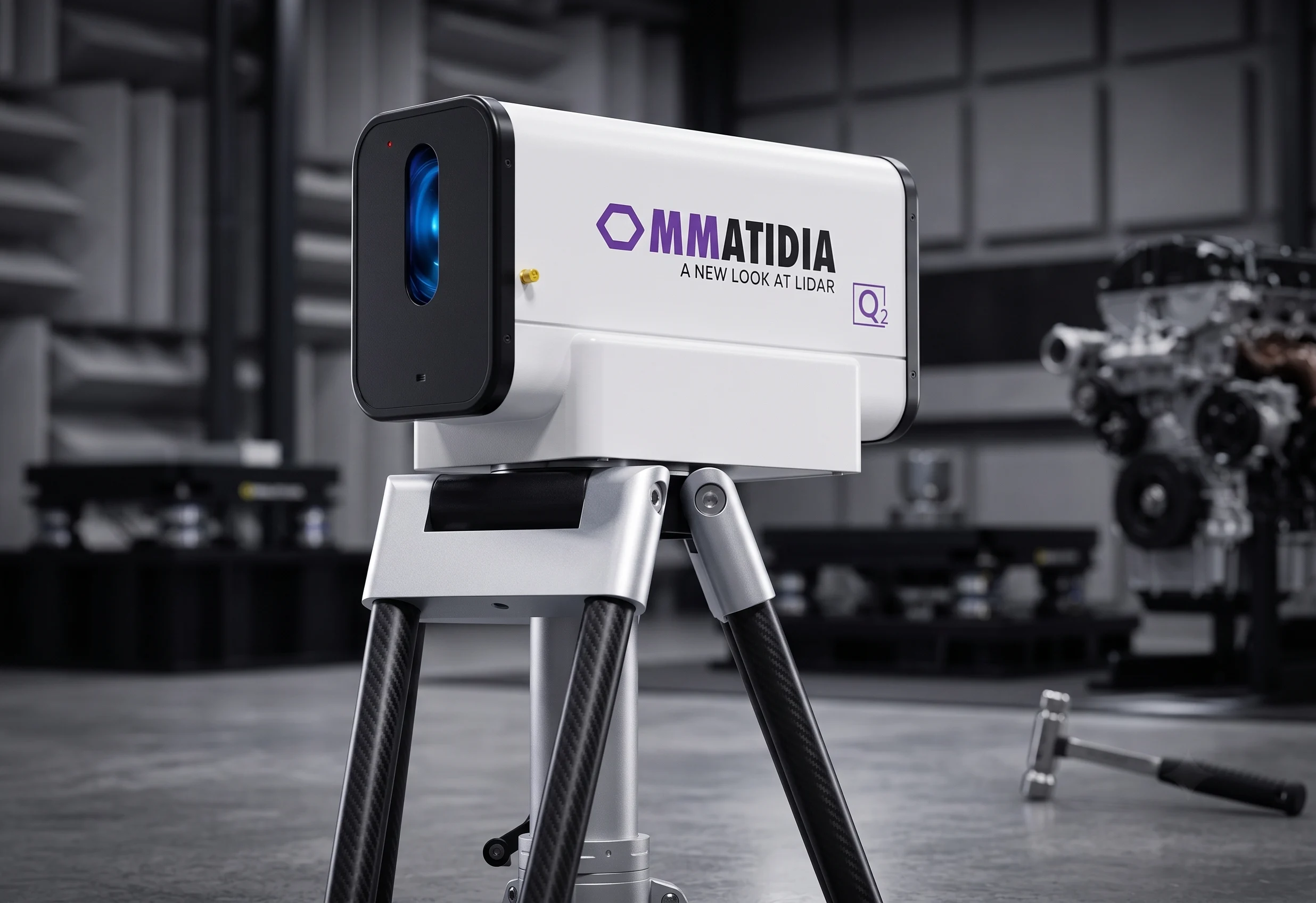
Ommatidia Q2 laser vibrometer on a tripod in an NVH test environment

Capture vibration data with less setup

Contact vibration testing requires a sensor to be mounted, wired, and prepared at every measurement point. Remote laser vibrometry captures many points from a distance, reducing setup effort while preserving the target’s natural response. Explore laser vibrometry fundamentals.

Parallel 65- or 128-point capture moves teams from setup to full-field vibration insight with fewer bottlenecks—helping NVH and modal campaigns reach useful decisions faster.

Go beyond motion: 3D vectors and strain

See how full-field velocity data from multiple views supports richer structural interpretation.

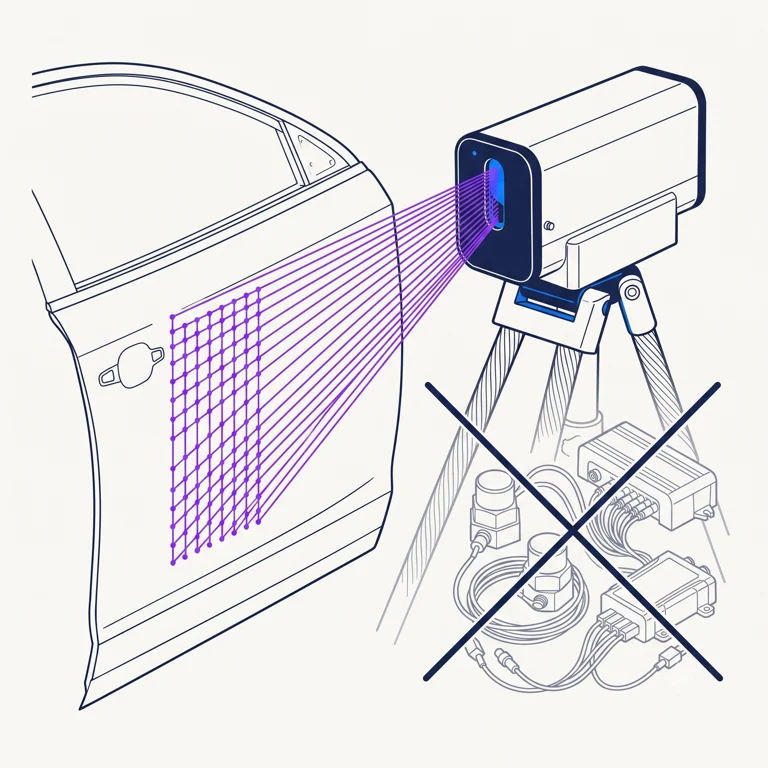
Remote Ommatidia measurement reduces contact sensors and wiring

Reduce setup

Less mounting. Faster test setup.
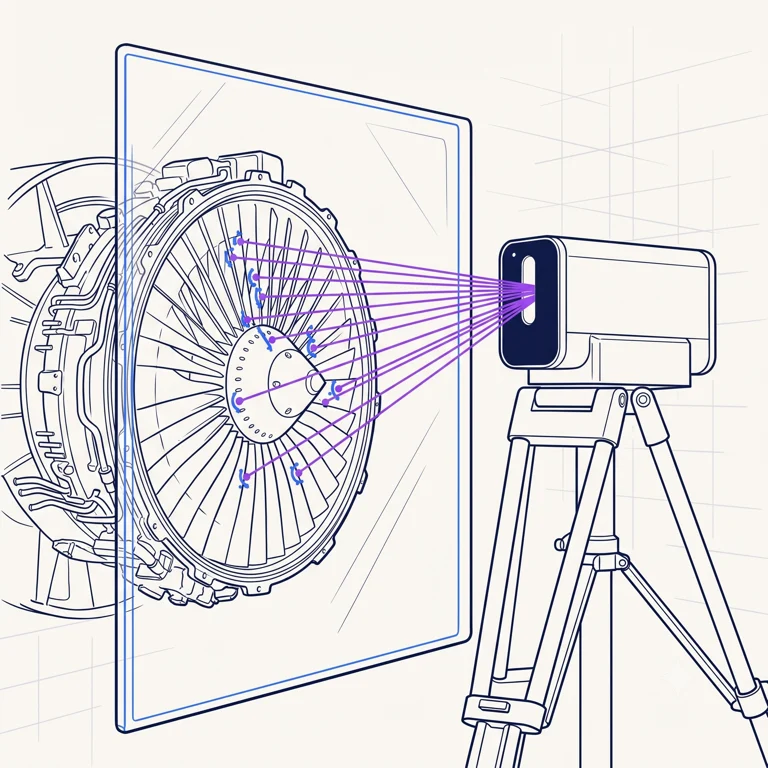
Remote Ommatidia measurement of an access-constrained rotating component

Difficult targets

Measure targets sensors cannot reach.
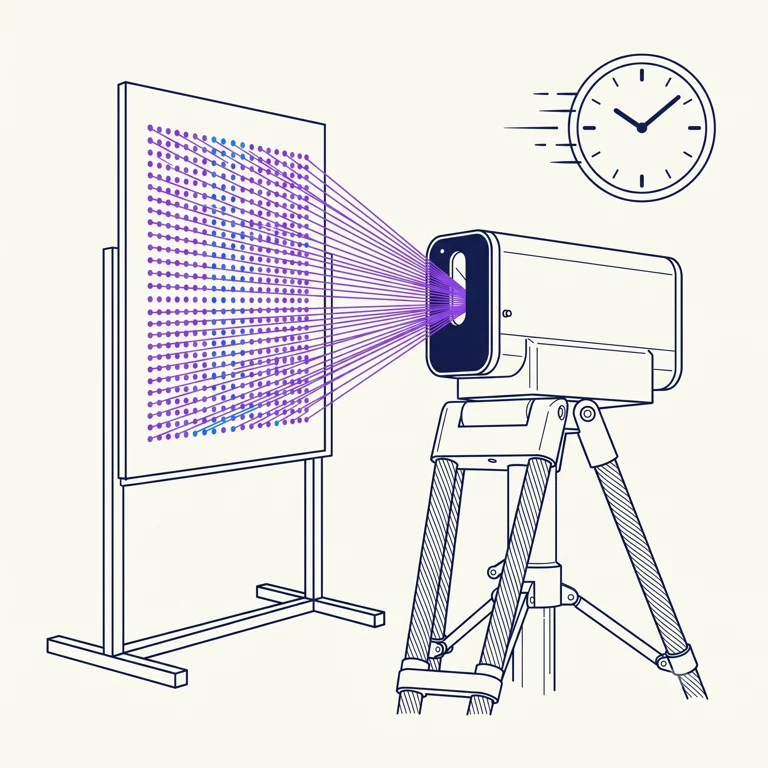
Remote Ommatidia measurement speeds vibration testing

Faster testing

From setup to useful data—faster.
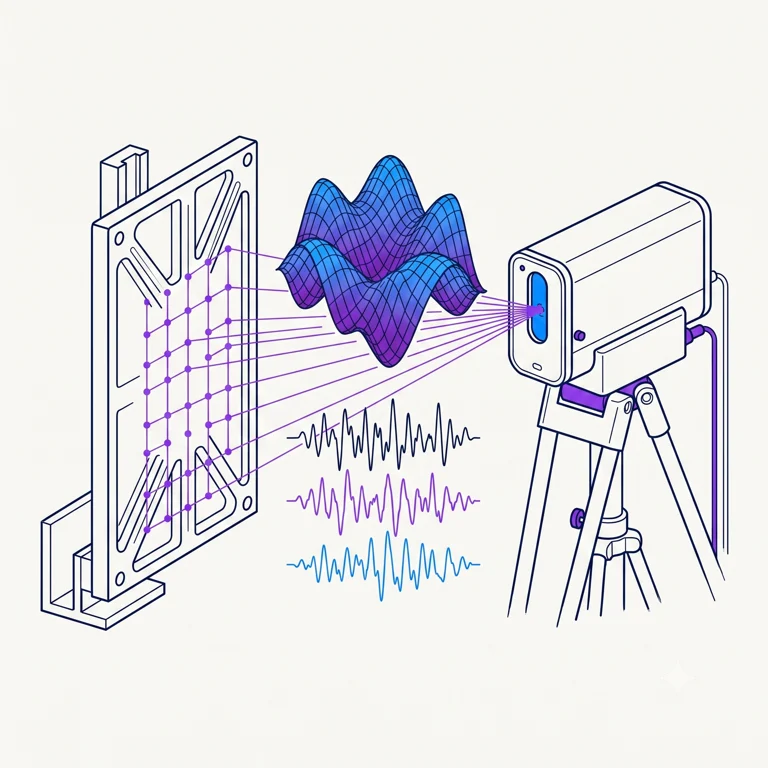
Remote Ommatidia measurement with modal vibration analysis visualization

Clearer insight

Make better NVH and modal decisions.
Built for demanding engineering environments

From automotive NVH and low-reflectivity material testing to demanding validation environments, teams need measurement workflows that are practical as well as precise.
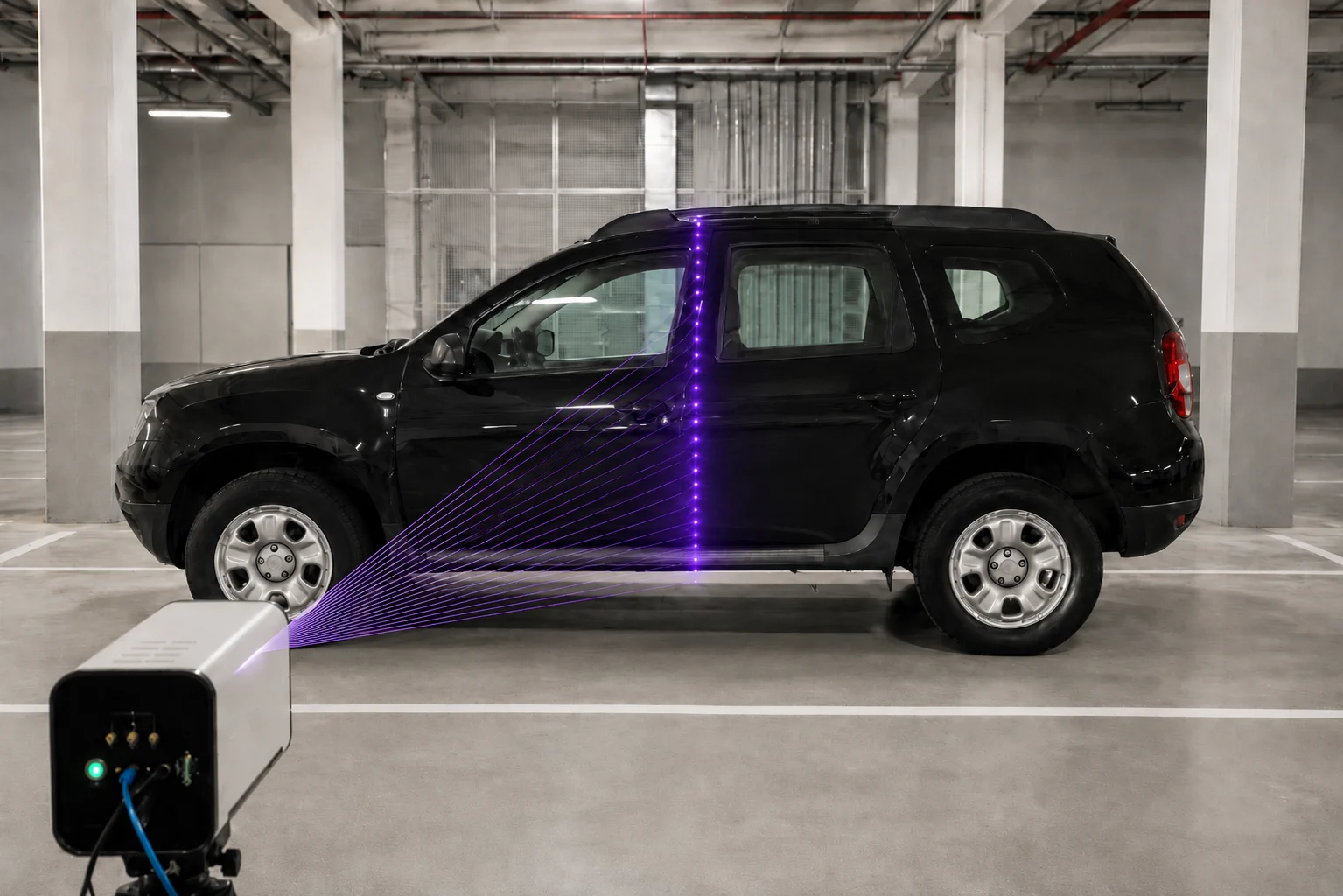
Car body vibration measurement with optical lines projected across a vehicle
Automotive NVH car-body vibration setup using Ommatidia Laser RADAR.

Remote test setup

Position the measurement workflow around the target instead of instrumenting every point manually.

Optical setup and coverage

Plan viewpoints, working distance and optical settings around your target surface and the area to measure.

Plan with an engineer

Define the target geometry, operating conditions and required outputs with an applications engineer.

Plan your remote vibration test

Tell us the target, standoff distance, frequency range, and data output you need. We’ll map a practical remote laser vibrometry workflow for your test.

How the measurement workflow works

1. Define the target

Clarify the structure, operating condition, and measurement objective.

2. Capture remotely

Acquire vibration data without contact instrumentation burden.

3. Review the data

Interpret results for NVH, modal, or structural analysis.

4. Decide next steps

Use findings to accelerate engineering decisions and test planning.

Common use cases

Use this page to decide whether Ommatidia should be part of your next technical evaluation for vibration, NVH or modal testing. Compare Laser RADAR and scanning LDV when the method is not yet fixed, then review the vibrometry and inspection application briefs for deeper examples.

Automotive NVH

Capture full-field body-panel, glazing, trim, and subassembly response without dense accelerometer wiring or added mass.

Modal testing

Capture mode shapes, spectra, and spatial response with less point-by-point scanning and preparation.

R&D validation workflows

Evaluate difficult, lightweight, hot, or access-constrained targets without changing the test with contact instrumentation.

engine-off static vehicle in NVH test bay wide shot optical measurement head aimed at full car body with operator using laptop
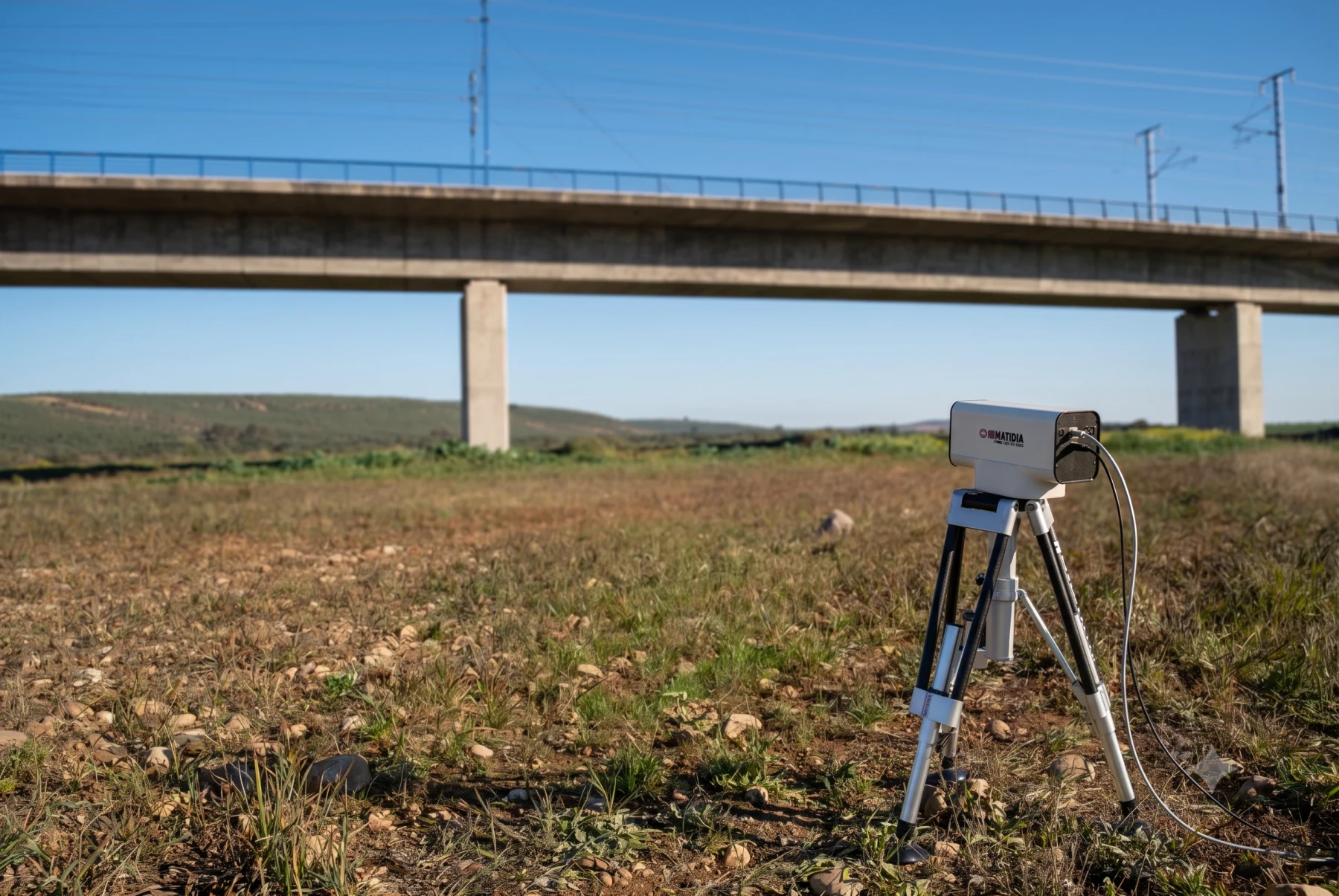
Ommatidia Q2 Laser RADAR in a field measurement setup, ready for non-contact vibration and structural-response measurement.

Plan your remote vibrometry measurement

Remote laser vibrometry captures surface velocity without mounting a sensor at every point. Parallel Q-Series Laser RADAR adds dense spatial coverage with less cabling and added mass; accelerometers provide complementary reference or trigger signals.

Ommatidia develops Q2 measurement workflows for low-reflectivity and hard-to-access components. The team matches the optical geometry, working distance and acquisition to the surface and motion you want to study.

Remote vibrometry supports automotive NVH, modal testing, operating-deflection-shape analysis, rotating and lightweight components, and structural dynamics. Simultaneous optical measurements connect the spatial vibration response to the engineering decision.

Share the component and the engineering question you want to answer. Ommatidia’s applications team outlines the measurement approach, useful data outputs and the next practical step.

Start with the target, working distance, vibration bandwidth and desired coverage. Add the operating condition, reference or trigger requirements and data format so the campaign delivers the information your analysis needs.

Arrange a demonstration or focused measurement campaign using a representative component. Review vibration maps, geometric context, synchronized signals and data exports with Ommatidia’s applications team to choose your Q-Series configuration.

Choose your Q-Series system with confidence

Compare QMini, Q1S, Q1 and Q2

Match the measurement range, channel count, geometry needs, and workflow to the Q-Series system that fits your test.

Laser vibrometry fundamentals

Understand the Doppler and vibration-testing context behind the measurement approach.

Full-field modal analysis

See how a complete non-contact modal workflow can move from capture to interpretation.

Application briefs

Explore additional vibrometry, metrology, and inspection examples.

Discuss your measurement workflow

Share your target, working distance, vibration bandwidth and desired data outputs. Our applications team will help plan the Q-Series measurement and data handoff.